
Reduces winter heat loss through ceilings
Up to 35% of a home’s heat escapes through the roof space in winter. Ceiling batts with R4.0 to R6.0 slow this loss, keeping living areas warmer without overworking heaters.
Coldstream
Bulk insulation traps still air to slow heat flow through ceilings, walls and floors. In Coldstream’s cold winters and hot summers, it keeps homes comfortable and cuts heating and cooling costs. Expert Insulation Melbourne installs glasswool, polyester and rockwool batts in Coldstream homes.
Share your details and Expert Insulation Melbourne will contact you about Bulk Insulation in Coldstream.
Bulk insulation uses batts or rolls of glasswool, polyester or rockwool to resist heat flow by trapping still air. In Coldstream, it is fitted between ceiling joists, inside wall cavities during renovations or new builds, and under suspended timber floors. The material’s R-value measures thermal resistance, with higher numbers providing better performance.
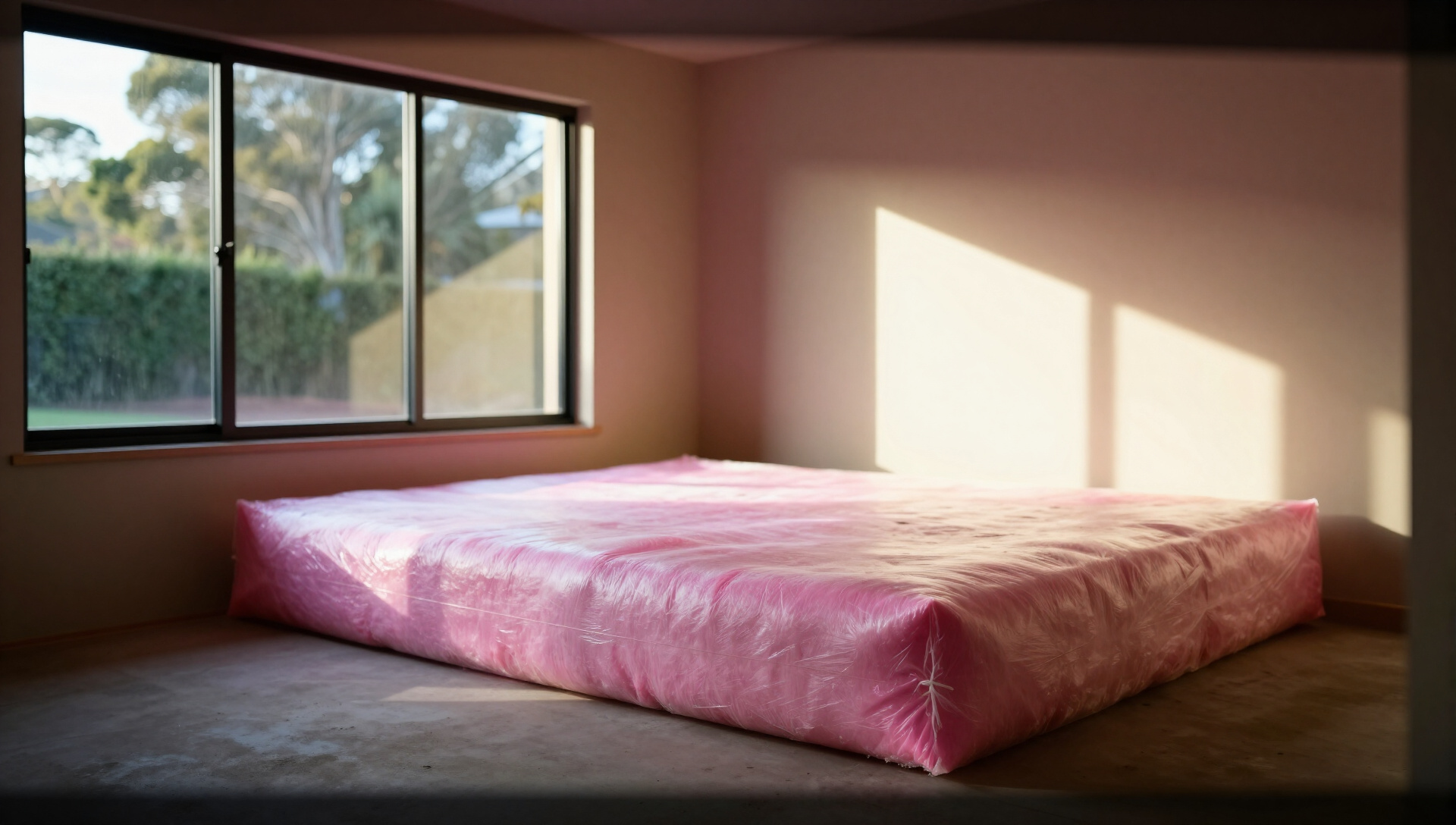
Coldstream’s climate demands effective thermal resistance. Bulk insulation addresses the main paths of heat loss and gain, delivering year-round comfort and lower energy use.
Up to 35% of a home’s heat escapes through the roof space in winter. Ceiling batts with R4.0 to R6.0 slow this loss, keeping living areas warmer without overworking heaters.
Hot northerly winds and intense sun raise roof space temperatures. Bulk insulation in ceilings and walls reflects and absorbs radiant heat, reducing indoor temperatures.
Underfloor batts between floor joists cut cold air rising through gaps in timber floors. This is common in older Coldstream homes on stumps and bearers.
By stabilising indoor temperatures, bulk insulation reduces reliance on heaters and air conditioners. Homeowners typically see noticeable savings on energy bills.
Dense batts absorb airborne noise between rooms and from outside. This is useful for homes near busy roads or in denser areas.
Quality batts maintain their thickness and R-value over time. They do not compress or sag like loose-fill materials, ensuring consistent performance.
Every Coldstream home is different. We inspect the roof space, wall cavities and subfloor to determine the best approach, materials and R-value for your needs.
We check access to the roof space, ceiling joist spacing, existing insulation and any obstacles like downlights or cables. For walls, we confirm cavity depth and suitability during renovations. Underfloor access and clearance are assessed for subfloor jobs.
Glasswool is cost-effective and widely used. Polyester is itch-free and moisture-resistant. Rockwool offers high fire resistance. We recommend R-values based on your home’s construction and your comfort goals.
Batts are cut to fit snugly between joists or studs without gaps. We maintain clearances around downlights, flues and electrical cables. If old insulation is present, we remove it first if it is damaged or compressed.
We remove all offcuts and debris from the site. You receive guidance on maintaining insulation performance, such as avoiding compression and ensuring roof space ventilation.
Coldstream’s mix of older weatherboard homes and newer builds benefits from bulk insulation. Many properties have uninsulated roof spaces or thin, compressed batts that no longer perform. Upgrading to modern glasswool, polyester or rockwool batts improves thermal resistance and comfort in both winter and summer.
Effective thermal resistance for ceilings, walls and floors in Coldstream homes.
Homeowners in Coldstream often ask about material choices, R-values and whether their home is suitable. Here are the key details.
Bulk insulation in Coldstream slows heat transfer by trapping still air within glasswool, polyester or rockwool batts. This is the most common and cost-effective way to improve a home’s thermal performance. Ceiling insulation targets the main path of winter heat loss, while wall and underfloor batts address draughts and temperature swings in living areas.
For Coldstream homes, typical R-values range from R4.0 to R6.0 for ceilings, R2.0 to R2.7 for walls and R1.5 to R2.5 for underfloor applications. Higher R-values provide greater resistance to heat flow but may require thicker batts. The right choice depends on your budget, climate exposure and the space available between joists or studs.
Signs your Coldstream home needs bulk insulation include cold floors in winter, rooms that are hard to heat or cool, high energy bills and visible gaps or thin material in the roof space. If old batts are compressed, wet or damaged, they should be removed and replaced. Always check for asbestos in older homes before disturbing existing insulation.
Improve comfort and cut energy costs with bulk insulation fitted by Expert Insulation Melbourne. We serve Coldstream and surrounding areas with glasswool, polyester and rockwool batts for ceilings, walls and floors.